What Is the Library Actually Doing This August?
A public library’s value is rarely captured by its card catalog. In August 2026, The Colony Public Library at 6800 Main St. is running a cluster of programs that stretch from competitive puzzle-solving to a university-level conversation about artificial intelligence — all within the same building, all within the same month. The breadth of that programming calendar offers a useful window into how a mid-sized suburban library tries to remain relevant to every demographic it serves.
The August schedule is not a single marquee event. It is a layered set of offerings, each aimed at a different slice of the community, and taken together they describe a branch that is functioning more like a civic community center than a quiet reading room.
Does a Puzzle Race Belong in a Library?
On the surface, a timed jigsaw puzzle competition might seem like an unusual fit for a library setting. The Colony’s Library Puzzle Race on Saturday, Aug. 8, runs in two distinct formats: a team event from 11 a.m. to 1 p.m., followed by an individual event from 2 to 4 p.m. The venue is the City Hall Annex at 6804 Main St., just steps from the main branch. Registration is required for both sessions, and participants must be at least 10 years old.
The logic behind the format is straightforward. Jigsaw puzzles demand sustained attention, pattern recognition, and spatial reasoning — cognitive skills that align naturally with a library’s broader educational mission. The competitive structure introduces a social dimension that brings in participants who might not otherwise walk through the doors for a traditional library program. For a city the size of The Colony, an event like this also functions as low-cost community building: it requires no specialized equipment beyond the puzzles themselves and generates the kind of face-to-face interaction that library administrators consistently identify as one of the institution’s irreplaceable functions.
How Does Musical Story Time Work for All Ages?
Every Tuesday in August, the Library Multipurpose Room at 6800 Main St. hosts Musical Story Time, a program described as a musically driven story time where participants dance, sing, play instruments, and read stories together. The program is listed as open to all ages, which is a deliberate design choice worth examining.
Most story time programs at public libraries are segmented — toddler story time, elementary story time, and so on. An all-ages format blurs those lines. It allows younger children to participate alongside older siblings or caregivers, and it removes the mild social friction of a parent having to decide which age bracket their child belongs to. The music component adds another layer of accessibility: participation does not require literacy, which means the program reaches children who are just beginning to develop reading skills alongside those who are already fluent readers. The instrument play component suggests the library is providing the instruments, making it equitable for families who do not own any.
What Does an AI Author Talk Reveal About the Library’s Ambitions?
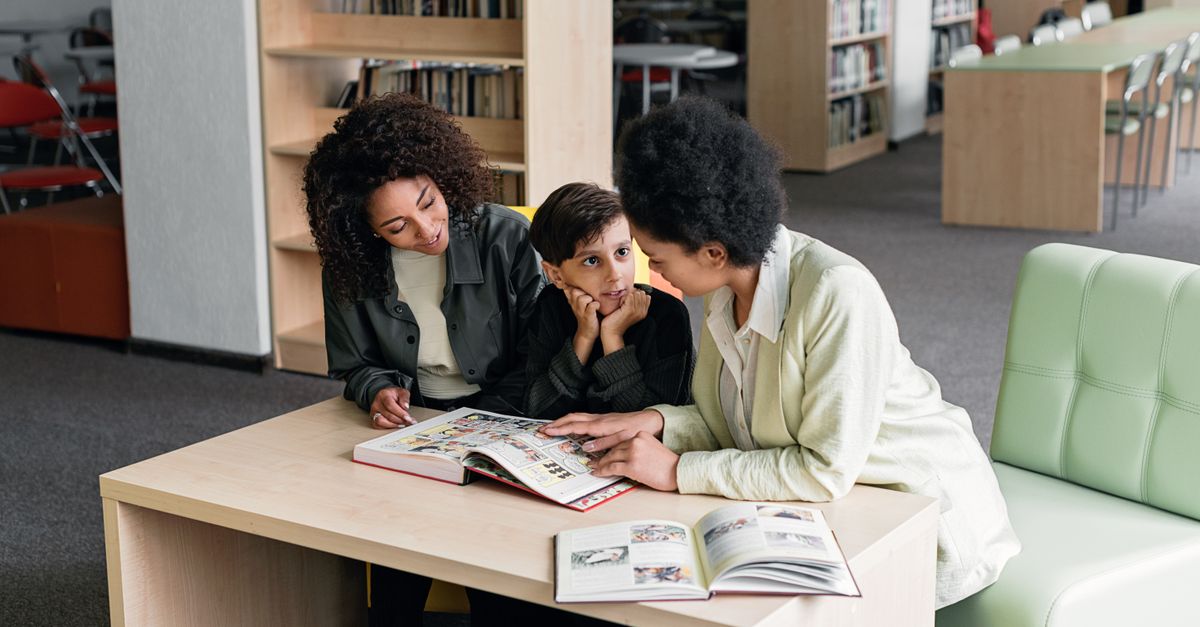
The most intellectually ambitious item on the August calendar is an author talk with Brady D. Lund, an assistant professor of information science at the University of North Texas and recipient of a 2026 Presidential Early Career Professorship. The event, scheduled in the Library Multipurpose Room at 6800 Main St., centers on how human beliefs about artificial intelligence should shape the design and use of AI-based tools in society.
This is a substantive academic topic being brought into a public library setting, and the choice is deliberate. Libraries occupy a particular position in the AI conversation because they are themselves information infrastructure. Questions about how AI tools are designed and who they serve are not abstract for library staff or patrons — they are operational questions about search tools, catalog systems, and reference assistance. Lund’s background in information science makes him a precise fit for that intersection.
Bringing a UNT faculty member to The Colony also reflects the geographic and intellectual relationship between the city and the broader DFW academic ecosystem. Residents do not have to drive to Denton to access university-level thinking on a subject that affects their daily lives. The library is doing the logistical work of closing that distance.
What Happens After the Summer Reading Challenge Ends?
The 2026 Summer Reading Challenge closed its book-logging period on Aug. 1, but its administrative timeline extends into mid-August. Participants who earned prizes during the summer — the program was open to children, teens, and adults — have until Saturday, Aug. 15 at 5 p.m. to pick up their prizes at the library at 6800 Main St. Grand prize winners will be notified separately on Tuesday, Aug. 18.
The two-week gap between the logging deadline and the prize pickup deadline is a practical accommodation. Families returning from late-summer travel, students preparing for back-to-school transitions, and adults managing work schedules all benefit from a pickup window that does not require them to appear on a single specific day. The Aug. 18 grand prize notification date introduces a secondary moment of anticipation after the main challenge has concluded, which extends community engagement with the program beyond its formal end.
The Summer Reading Challenge is one of the most consistently popular library programs nationally, largely because it provides structured motivation during the months when school-year reading routines have lapsed. The Colony’s version reflects that national model while anchoring the prizes and pickup logistics to a specific local building and calendar.
What Does the Creature Creator Program Say About Drop-In Access?
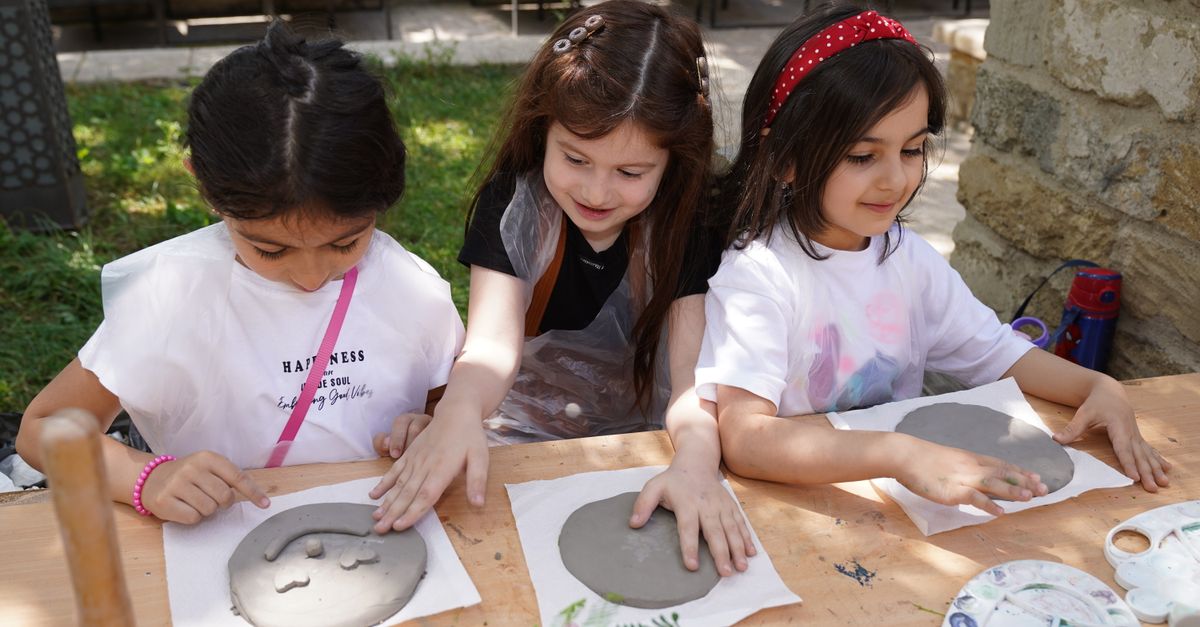
The Creature Creator drop-in craft program, listed on the library’s August calendar, operates on a come-and-go basis in the Library Multipurpose Room at 6800 Main St. Participants make stuffies, pet rocks, pom-pom pets, and other handmade companions. The program is described as family-friendly and requires no registration.
The drop-in format is a meaningful policy choice. Registration-required programs work well for events with limited capacity or structured instruction, but they create a barrier for families with unpredictable schedules. A drop-in craft program eliminates that friction entirely. A family that finds itself with an unexpected free afternoon in August can walk in, create something, and leave without having planned ahead. That kind of spontaneous accessibility is part of what distinguishes a library from a fee-based enrichment program.
Why Does All of This Happen in One Building?
The concentration of programs at 6800 Main St. and the adjacent City Hall Annex is not accidental. The Colony has built its library branch into a genuine multi-use civic space, and the August calendar demonstrates what that looks like in practice: a puzzle race for competitive ten-year-olds, a university-level AI discussion for adults, a music-and-movement program for toddlers and their caregivers, a craft drop-in for mixed-age families, and the ongoing administrative close of a summer-long reading initiative.
None of these programs require residents to travel to a major urban center or pay for private programming. They are funded through the city and accessible to anyone who shows up. For a community like The Colony — a city that also hosts large-scale commercial destinations along SH-121 — the library represents a different kind of community asset: one measured not in square footage or revenue but in the range of people it can meaningfully serve on a given Tuesday afternoon in August.
Residents looking for specific dates and registration details for any of these programs should check the city’s events calendar at thecolonytx.gov/Calendar.aspx and the library’s dedicated page at thecolonytx.gov/1237/Library, where the most current scheduling information is maintained.